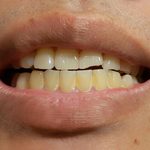
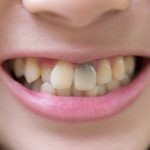
Gum disease has a reputation as something that happens gradually and quietly, and that’s mostly true. The early-stage, called gingivitis, rarely hurts and often gets brushed off as nothing more than a bit of blood in the sink after flossing. That’s exactly why it’s worth knowing what early-stage gum disease signs actually look like, because catching them early is the difference between a problem you can reverse and one that becomes permanent.
The Short Answer: Red, Puffy, Bleeding Gums Are the Main Signs
Gingivitis, the earliest stage of gum disease, tends to show up as:
- Gums that look redder than usual, rather than a healthy pink
- Puffy or swollen gum tissue, particularly along the gumline
- Bleeding when you brush or floss, even with gentle pressure
- Gums that feel tender or slightly sore, though not usually painful
- A change in how your gums sit against your teeth, sometimes described as looking “puffier”
None of these on their own are dramatic, which is part of the problem. Most people notice one or two of these signs and assume it’s just from brushing too hard, rather than a sign that something needs attention.
Bleeding and Swollen Gums: What They’re Actually Telling You
Bleeding gums are the single most common early warning sign, and they’re worth taking seriously rather than dismissing. Healthy gums generally don’t bleed during normal brushing or flossing. When they do, it usually means plaque has built up along the gumline and triggered an inflammatory response.
According to Healthdirect Australia, gum disease occurs when the tissue surrounding and supporting your teeth becomes inflamed, and the two main types are gingivitis and the more advanced periodontitis. Swelling and bleeding are the body’s response to bacteria collecting where the gum meets the tooth, and they tend to appear well before any more serious damage sets in.
Why Bleeding Gums Get Ignored
A few reasons bleeding gums often go unaddressed:
- People assume it’s caused by brushing too hard, rather than gum inflammation
- It’s usually painless, so there’s no obvious urgency
- Bleeding can come and go, making it easy to write off as a one-off
- It’s a slow-building issue rather than a sudden symptom
If bleeding continues for more than a few days, or happens most times you brush or floss, that’s a reasonable point to book a check-up and clean rather than waiting to see if it resolves on its own.
Other Gum Disease Warning Signs to Watch For
Beyond bleeding and swelling, a few other early signs are worth knowing:
- Bad breath that doesn’t improve with brushing
- Gums that look like they’re slightly pulling away from your teeth
- A change in how your teeth fit together when you bite down
- Tenderness when eating certain foods
- A persistent bad taste in your mouth
Any one of these alone doesn’t necessarily mean gum disease, but a combination, or any of them lasting more than a week or two, is worth having checked. It’s easy to explain away a single symptom, but a cluster of small changes happening together is a stronger signal than any one sign on its own.
Reversing Gum Disease Early: Why Timing Matters
This is the part that makes early detection worth paying attention to. Gingivitis is reversible. With professional cleaning and improved home care, the gum tissue can return to a healthy state, and any damage doesn’t tend to be permanent at this stage.
That changes if gingivitis progresses to periodontitis. According to the Australian Dental Association, when gingivitis is not controlled, the inflammation can progress to periodontitis, a common chronic condition that affects around 1 in 4 adults. Periodontitis is not reversible in the same way. It can be managed and controlled, but the bone and tissue loss it causes doesn’t grow back on its own.
That’s the core reason reversing gum disease early matters so much. Catching gingivitis while it’s still gingivitis means a relatively simple path back to healthy gums. Letting it progress means managing a condition rather than resolving it.
When to Book a Gum Health Check
A few situations make a gum-focused check-up worth booking sooner rather than at your next scheduled visit:
- Gums that bleed regularly during brushing or flossing
- Ongoing redness or swelling that hasn’t settled after a week
- Bad breath that persists despite good oral hygiene
- Any change in how your teeth feel or fit together
- A family history of gum disease, which can increase your own risk
As part of our general dentistry care, a gum health check is usually a quick, painless assessment that looks at your gum tissue, checks for any pockets forming between gum and tooth, and flags anything that needs closer attention.
Early Stage Gum Disease Signs at a Glance
Gingivitis can affect anyone, but a few factors make these signs more likely to show up:
- Smoking, which reduces blood flow to the gums and can mask some of the usual warning signs like bleeding
- Pregnancy and hormonal changes, which can make gums more sensitive to plaque
- Diabetes, particularly if blood glucose levels aren’t well managed
- Certain medications that reduce saliva flow, since saliva helps wash away plaque-forming bacteria
- Inconsistent brushing and flossing, which gives plaque more time to irritate the gumline
- A family history of gum disease
If several of these apply to you, it’s a reasonable prompt to be a little more attentive to how your gums look and feel, and to keep up with regular check-ups rather than waiting for a problem to become obvious. Our restorative dentistry team can also help manage the wider effects of gum disease if it has already progressed, alongside the preventative side of things.
What Happens if Gum Disease Is Left Untreated
If gingivitis isn’t addressed, it can progress into more serious territory over time. This can eventually involve gum recession, loosening teeth, and in advanced cases, tooth loss. Where teeth have already been lost to advanced gum disease, options such as dental implants can help replace them, though prevention and early treatment remain the more straightforward path whenever possible.
Frequently Asked Questions
Can Gum Disease Be Reversed on Its Own Without Treatment?
Mild gingivitis can sometimes improve with a significant improvement in home oral hygiene, but professional cleaning is usually needed to fully remove the plaque and tartar contributing to it. Results vary between individuals, so it’s worth having it assessed rather than waiting to see.
How Do I Know if It’s Gingivitis or Something More Serious?
The main way to tell is a proper dental examination, since gingivitis and periodontitis can look similar in the early-stages from a patient’s perspective. Your dentist can check for gum pockets and other signs that indicate how advanced things are.
Is Bleeding When I Floss Always a Sign of Gum Disease?
Not always, but persistent bleeding, especially if it happens most times you floss, is one of the more reliable early signs of gum disease. Occasional light bleeding when starting a new flossing routine can be different, though it’s still worth mentioning at your next check-up.
Can Children Get Gingivitis Too?
Yes, gingivitis can affect children as well as adults, and the same basic principle applies: catching it early with good oral hygiene and regular check-ups makes it easier to manage. This is general guidance rather than a diagnosis for any specific situation.
Does Gum Disease Run in Families?
There does appear to be a genetic component to gum disease risk for some people, though lifestyle and oral hygiene habits play a significant role too. If gum disease runs in your family, it may be worth mentioning at your next visit so your dentist can keep a closer eye on things.
Get Your Gums Checked at Sutherland Dental
If you’ve noticed bleeding, swelling or any of the early-stage gum disease signs above, it’s worth having them looked at sooner rather than later. As a family dentist Sutherland patients turn to for consistent preventative care, we see people from Miranda, Jannali and across the Sutherland Shire for gum health checks, and catching gingivitis early is one of the simplest ways to avoid more involved treatment down the track. If your gums have been bothering you, you can book online with Sutherland Dental at a time that suits you.