If you’ve woken up with a sore jaw, a dull headache, or a partner telling you that you grind your teeth in your sleep, you’re not imagining things. Night time teeth grinding is common, and it tends to happen without you knowing, which is exactly why it can go unnoticed for months or even years before it’s picked up.
The Short Answer: It’s Usually Stress, Sleep, or Both
Before getting into the detail, this is the general picture. Sleep bruxism, the medical term for grinding your teeth while asleep, is most often linked to:
- Stress and anxiety, which can carry over into muscle tension while you sleep
- Sleep disorders, including snoring and obstructive sleep apnoea
- Certain lifestyle factors, such as smoking, alcohol or caffeine use
- Some medications, particularly certain antidepressants
You may grind your teeth during the day too, but daytime grinding is usually something you can notice and consciously stop. Nighttime grinding happens involuntarily, while you have no control over the muscles involved, which is part of why it’s harder to catch early.
What Causes Night Time Teeth Grinding?
There isn’t one single cause of bruxism. Instead, it tends to be a mix of physical and psychological factors that build up over time.
Stress and Nighttime Grinding
Stress is one of the most commonly reported triggers. When your mind is busy processing tension from the day, that tension doesn’t always switch off once you fall asleep. Some people carry it into their jaw muscles, clenching or grinding without being aware of it. Periods of higher stress, whether from work, family pressures or big life changes, often line up with an increase in grinding.
Sleep-Related Triggers
Grinding at night is also connected to how you sleep. According to Healthdirect Australia, people who grind their teeth while asleep may be more likely to have other sleep disorders, including obstructive sleep apnoea. If your dentist notices signs of grinding during a check-up, they may suggest being assessed for a sleep disorder, since treating the underlying sleep issue can sometimes ease the grinding.
Other Contributing Factors
- Smoking and regular alcohol use
- High caffeine intake
- Certain medications, including some antidepressants
- Recreational drug use, including stimulants
Signs of Nocturnal Teeth Grinding You Might Miss
Because it happens while you’re asleep, many people don’t realise they grind their teeth until a dentist points it out or a partner mentions the noise. Common signs to watch for include:
- Waking up with a sore or tight jaw
- Headaches, particularly in the morning
- Teeth that feel more sensitive than usual
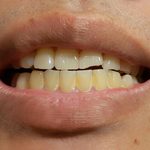
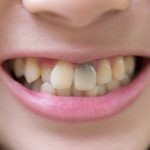
- Chipped, cracked or worn teeth
- Cracked fillings or damaged dental work
- A partner or family member noticing grinding sounds at night
If any of these sound familiar, raise them at your next check-up rather than waiting for symptoms to worsen.
Where grinding may be linked to a sleep disorder, we can also talk through our sleep apnoea assessment options.
Night Guard Treatment Options
Not everyone who grinds their teeth needs treatment. Mild, occasional grinding may cause little harm. But if grinding is frequent, causing pain, or damaging your teeth, your dentist can talk you through options suited to your situation.
What Is an Occlusal Splint?
An occlusal splint, sometimes called a night guard or bite splint, is a custom-made device worn over your teeth while you sleep. The Australian Dental Association describes it as being made from hard plastic that fits over the upper or lower teeth, which sets it apart from a generic, off-the-shelf sports mouthguard. A splint won’t stop the grinding itself, but it protects your teeth from wear and can ease some of the discomfort in your jaw muscles.
Other Ways to Manage Grinding
Alongside a night guard, your dentist or doctor may suggest:
- Stress management techniques, such as relaxation exercises or counselling
- Improving sleep habits and reducing screen time before bed
- Cutting back on caffeine and alcohol, especially later in the day
- Being assessed for sleep apnoea if snoring or disrupted sleep is also present
- Repairing any teeth that have already been damaged by grinding
Treatment suitability depends on individual circumstances, and it’s common for a dentist to combine more than one approach.
When to See a Dentist About Grinding at Night
Regular dental check-ups matter here, because your dentist can often spot early signs of grinding, such as flattened or worn tooth surfaces, before you notice any symptoms yourself. If you’re waking up with jaw pain, have noticed new sensitivity, or a family member has mentioned grinding sounds, it’s a good reason to book a check-up and clean sooner rather than later.
Frequently Asked Questions
Can Children Grind Their Teeth at Night Too?
Yes, teeth grinding is fairly common in children and many grow out of it without treatment. That said, results vary between individuals, so mentioning it to your child’s dentist means they can monitor for any signs of wear.
Is Grinding at Night Always Caused by Stress?
Not always. Stress is a common trigger, but sleep-related factors, certain medications and lifestyle habits can all play a role too. A dentist can help work out which factors may apply to you, though every situation is different.
Will a Night Guard Stop Me From Grinding My Teeth?
A night guard is designed to protect your teeth from the effects of grinding rather than stop the grinding itself. It may help reduce some of the discomfort in your jaw, but results vary between individuals and it’s usually one part of a broader approach.
How Do I Know If I Need to See a Dentist About Grinding?
If you’re experiencing jaw pain, headaches, tooth sensitivity or visible wear on your teeth, it’s worth booking an appointment. Your dentist can examine your teeth and discuss whether treatment may help in your situation.
Is Teeth Grinding Linked to Sleep Apnoea?
There does appear to be a connection between sleep bruxism and conditions like obstructive sleep apnoea. If your dentist suspects this may apply to you, they may suggest a referral for further assessment, though this is general information rather than a diagnosis.
Talk to Sutherland Dental About Your Night Time Teeth Grinding
If waking up with jaw pain or headaches sounds familiar, it may be worth having your teeth and jaw checked. Our team has been the family dentist Sutherland locals in Kirrawee, Miranda and across the Sutherland Shire rely on for consistent care, and we can assess whether a custom night guard or another approach may suit you. If you’d like to discuss your own symptoms, you can book online with Sutherland Dental at a time that suits you.