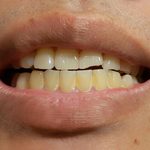
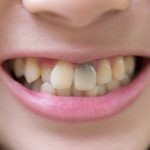
Tongue, lip and cheek piercings are a fairly common form of self-expression, and for a lot of people they heal without any lasting issues. But oral piercing risks to teeth are real and worth understanding properly before getting one, since the mouth is a genuinely difficult environment for a piece of jewellery to sit in long-term.
The Short Answer: Chips, Infection and Gum Damage Are the Main Concerns
The main risks associated with oral piercings, particularly of the tongue, include:
- Chipped or cracked teeth from the jewellery repeatedly contacting tooth surfaces
- Infection, since the mouth carries a large amount of bacteria
- Gum recession from jewellery rubbing against gum tissue over time
- Nerve damage, which can affect taste or movement and is sometimes permanent
- Excessive bleeding, given how many blood vessels sit in the tongue and lips
- Interference with speaking, swallowing or eating, particularly during initial healing
None of this means every oral piercing leads to a serious problem, but the risks are well enough established that it’s worth going in with clear eyes rather than assuming it’s purely cosmetic.
Chipped Teeth From Jewellery
This is one of the more common dental complications, and it tends to develop gradually rather than happening all at once. According to SA Dental, a South Australian Government dental health service, chipped or cracked teeth are one of the key risks to consider before getting an oral piercing, alongside lip, gum and cheek damage.
A few reasons this happens:
- Metal jewellery repeatedly clicking against enamel during normal speech and chewing
- Habitually biting, clicking or playing with the jewellery, which is a common unconscious habit
- Jewellery balls or barbells catching on teeth during eating
- Existing dental work, such as fillings or crowns, being more vulnerable to chipping from repeated contact
If a chip does happen, treatment can range from simple bonding for minor damage through to a dental filling or crown for something more significant, so it’s worth having any chip assessed rather than leaving it.
Infection and Healing Concerns
The mouth is one of the most bacteria-rich environments in the body, which makes oral piercings more prone to infection than piercings in many other locations. According to the Royal Dental Hospital of Melbourne, part of Victoria’s public dental service, risks of oral piercings can include infection, excessive bleeding, and in rare cases HIV or hepatitis from non-sterile equipment.
A few things that affect healing:
- Where the piercing was done, and whether the equipment and studio met proper sterilisation standards
- How well aftercare instructions are followed during the initial healing period
- Existing health conditions, such as diabetes or a compromised immune system, which can affect healing time
- Ongoing irritation from the jewellery rubbing against soft tissue, which can prevent full healing
Swelling is common in the first few days, but severe swelling, especially anything affecting breathing or swallowing, needs urgent medical attention rather than waiting it out. Our dental emergency team can also assess concerning symptoms around a piercing site if they involve your teeth or gums.
Gum Recession From Piercings
Gum recession happens gradually, which is part of why it’s easy to miss until it’s fairly advanced. Constant contact between jewellery and gum tissue, particularly with lip and tongue piercings, can wear away gum tissue over months or years.
A few signs this may be happening:
- Teeth appearing longer than they used to, as gum tissue pulls back
- Increased sensitivity, particularly to cold, as tooth roots become exposed
- Visible gaps or notches where the gum has receded around a specific tooth
- Gum tissue that looks thinner or more fragile near the piercing site
Recession that’s already occurred generally doesn’t grow back on its own, which is why catching it early and adjusting jewellery placement or removing the piercing altogether can make a real difference to how much further damage occurs.
Safer Aftercare Habits
If you already have an oral piercing, or you’re set on getting one, a few habits make a genuine difference to reducing risk:
- Choose jewellery designed to be gentler on teeth and gums, such as bioplast rather than metal, once healed
- Keep the piercing area clean and brush your teeth, including around the piercing, twice daily
- Rinse with an anti-bacterial, alcohol-free mouthwash regularly, particularly after eating
- Avoid clicking, twisting or playing with the jewellery against your teeth
- Check that jewellery is tightened correctly to avoid accidentally swallowing loose parts
- Attend regular check-ups so any early chips, wear or recession can be caught before they progress
When to See a Dentist
A few situations are worth acting on rather than waiting:
- Any visible chip or crack in a tooth near the piercing
- Gum tissue that looks like it’s pulling away from a tooth
- Persistent redness, pain, swelling or discharge around the piercing site
- Sensitivity that’s new or getting worse
- Difficulty eating, speaking or swallowing that isn’t resolving
If you have a piercing and are due for other dental treatment, it’s also worth mentioning it in advance, since jewellery sometimes needs to be removed for x-rays or during certain procedures. Raising it at your next check-up and clean is a simple way to keep it on your dentist’s radar.
Understanding Oral Piercing Risks to Teeth Before You Decide
Recognising these risks before getting pierced, rather than after, gives you a much better position to make an informed choice. It’s also worth checking with your doctor beforehand if you’re pregnant, have allergies, heart disease, diabetes or a skin disorder, since these can affect healing and increase certain risks.
Frequently Asked Questions
Can a Tongue Piercing Be Made Safer for My Teeth?
Choosing shorter, softer jewellery, avoiding habits like clicking it against your teeth, and attending regular check-ups can all reduce risk, though it doesn’t eliminate it entirely. Results vary between individuals depending on jewellery type, placement and habits.
Will My Dentist Ask Me to Remove My Piercing?
Some dental treatments may require removing jewellery temporarily, particularly for x-rays or certain procedures. Your dentist can advise on a case-by-case basis depending on the treatment involved.
Is It Too Late to Prevent Damage if I Already Have a Piercing?
Not necessarily. Adjusting habits, switching to gentler jewellery, and having regular check-ups can help slow or prevent further damage, even if some wear has already occurred. It’s worth discussing your specific situation with your dentist.
How Long Does an Oral Piercing Take to Heal?
Tongue piercings often take around six to eight weeks to heal, though this varies between individuals and depends on aftercare and any complications during healing.
Should I See a Dentist Before Getting an Oral Piercing?
It’s a reasonable step, particularly if you have existing dental work, gum concerns or a medical condition that could affect healing. A dentist can flag anything worth considering before you go ahead.
Talk to Sutherland Dental About Oral Piercing Care
Whether you’re considering an oral piercing or already have one and want peace of mind about your teeth and gums, our team can help catch early chips or gum changes before they progress. Being upfront about oral piercing risks to teeth from the start tends to lead to a much better outcome than dealing with damage after the fact. We see patients across Miranda, Kirrawee and the Sutherland Shire for exactly this kind of preventative care. If you’d like your teeth or gums checked, you can book online with Sutherland Dental at a time that suits you.