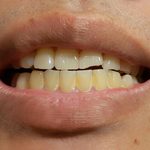
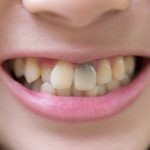
Plaque and tartar get talked about almost interchangeably, but they’re not the same thing, and knowing the difference actually matters for how you look after your teeth. One you can manage at home with a toothbrush and floss. The other needs a dental appointment. Mixing the two up is part of why some people assume brushing harder will fix a problem it can’t actually touch.
The Short Answer: Plaque Is Soft, Tartar Is Hardened Plaque
Here’s the basic distinction:
- Plaque is a soft, sticky film of bacteria that forms on your teeth every day, and it can be removed with regular brushing and flossing
- Tartar, also called calculus, is plaque that has hardened onto the tooth surface, and it can only be removed by a dentist or dental hygienist using professional tools
- Plaque forms constantly, even a few hours after brushing, while tartar builds up gradually if plaque isn’t cleared away
- Both plaque and tartar can contribute to gum disease and tooth decay if left untreated
Understanding plaque vs tartar comes down to timing and hardness. Plaque is the early, soft stage you can manage yourself. Tartar is what happens when plaque isn’t removed in time.
How Plaque Hardens Over Time
Plaque starts forming on your teeth within hours of brushing. It’s made up of bacteria, saliva and leftover food particles, and on its own it’s soft enough to brush or floss away. The trouble starts when it’s left in place.
Minerals in your saliva, particularly calcium and phosphate, gradually bind to the bacteria in plaque. Over a matter of days, this mineral build-up hardens the plaque into a rougher, more tightly bonded layer that fuses to the tooth surface. Once that happens, it’s no longer plaque. It’s tartar, and a toothbrush simply isn’t strong enough to remove it.
This is one reason dentists talk about brushing timing and consistency rather than just brushing hard. Frequent, gentle brushing clears plaque before it has the chance to harden. Missed spots, especially along the gumline and between teeth, are where tartar tends to build up first.
Why Only a Dentist Can Remove Tartar
Once plaque has hardened into tartar, it bonds firmly to the tooth enamel and, in many cases, extends slightly below the gumline. According to Healthdirect Australia, plaque and tartar can build up around and in between your teeth, and calculus (tartar) cannot be removed by brushing at home.
Removing it safely requires specific dental instruments, either hand tools or ultrasonic scalers, used by a dentist or dental hygienist to break the bond between the tartar and the tooth without damaging the enamel underneath. This is typically done as part of a check-up and clean, where your teeth are also polished afterward to smooth the surface and make it slightly harder for new plaque to stick.
Trying to remove tartar yourself with sharp tools or aggressive scrubbing can damage your enamel or irritate your gums, so it’s not something to attempt at home even if tartar looks visible.
What Happens if Plaque and Tartar Are Left Untreated
Left alone, plaque and tartar don’t just sit quietly on your teeth. Bacteria in both continue producing acids and toxins that irritate the gums and, over time, break down tooth structure. Left untreated for long enough, this can lead to:
- Gum inflammation and bleeding, an early sign of gum disease
- Bad breath, caused by bacteria breaking down food particles and releasing odour
- Tooth decay, particularly in spots tartar has covered and made harder to clean
- More advanced gum disease if inflammation continues to spread below the gumline
If decay has already progressed by the time it’s caught, a dental filling may be needed to repair the affected tooth. This is part of why staying ahead of tartar build-up with regular check-ups tends to be simpler, and less involved, than treating the problems it can eventually cause.
Daily Prevention Habits That Actually Help
The good news is that plaque is manageable, and preventing it from turning into tartar mostly comes down to consistency rather than anything complicated. According to the Australian Dental Association, brushing twice a day for two minutes each time helps remove as much plaque as possible before it has a chance to build up or harden.
A few habits make a real difference:
- Brush twice a day for two minutes, using a soft-bristled brush and fluoride toothpaste
- Floss or use interdental brushes daily to clean between teeth, where a toothbrush can’t reach
- Avoid pressing too hard when brushing, since this can wear down bristles without actually cleaning better
- Limit snacking between meals, which gives plaque-forming bacteria less to feed on
- Replace your toothbrush every three months, or sooner if the bristles look worn
None of these habits remove tartar once it’s formed, but they go a long way toward preventing plaque from reaching that point in the first place.
Common Myths About Plaque vs Tartar
A few misconceptions tend to stick around, so it’s worth clearing them up:
- “If I brush harder, I can remove tartar myself.” Pressing harder doesn’t help. Tartar is chemically bonded to the tooth, and aggressive brushing is more likely to wear down enamel or irritate gums than shift it.
- “Plaque and tartar are basically the same thing.” They’re related, but the real distinction comes down to a single factor: whether it has hardened. Plaque is soft and recent, tartar is mineralised and stuck.
- “If my teeth feel smooth, I don’t have tartar.” Tartar often builds up near the gumline or between teeth, areas that are harder to feel with your tongue, so a smooth feeling on the visible surfaces doesn’t rule it out.
- “Mouthwash removes tartar.” Mouthwash can help reduce bacteria and freshen breath, but it doesn’t remove hardened tartar deposits.
If tartar has been left untreated for a while and has contributed to gum recession, tooth wear or other structural changes, your dentist can talk you through options as part of our broader restorative dentistry care, ranging from fillings through to more involved treatment depending on what’s needed.
How Often Should You Have Plaque and Tartar Removed Professionally?
Most people benefit from a professional clean every six to twelve months, though your dentist may suggest more frequent visits if you tend to build up tartar quickly or have existing gum concerns.
As part of our general dentistry care, this cleaning is usually paired with a broader check-up, so any early decay or gum changes get picked up at the same time rather than waiting until they cause discomfort.
Frequently Asked Questions
Can I Remove Tartar Myself at Home?
No, tartar is bonded too firmly to the tooth to be removed with a toothbrush or home tools, and trying to scrape it off yourself can damage your enamel or gums. Professional removal by a dentist or hygienist is the only safe option.
How Long Does It Take for Plaque to Turn Into Tartar?
Plaque can begin hardening into tartar within a matter of days if it isn’t cleaned away, though the exact timing varies between individuals depending on saliva composition and oral hygiene habits.
Does Tartar Always Cause Gum Disease?
Not necessarily, but tartar build-up increases the risk, since it creates a rough surface where bacteria can continue to collect. Regular professional cleaning reduces that risk considerably.
Can I See Tartar on My Own Teeth?
Sometimes. Tartar can appear as a yellow or brownish deposit near the gumline, though it can also form in less visible areas, which is one reason regular check-ups matter even if your teeth look fine.
Is an Electric Toothbrush Better for Preventing Plaque?
Electric toothbrushes may help remove more plaque and reduce gum inflammation compared with manual brushing for some people, though results vary between individuals and correct technique matters more than the type of brush.
Keep Plaque and Tartar in Check With Sutherland Dental
Staying on top of the plaque vs tartar cycle is one of the simplest ways to protect your teeth long-term, and it’s easier with a dentist keeping an eye on things alongside your daily habits. As a dental clinic Sutherland Shire families rely on for consistent preventative care, we see patients from Miranda, Gymea and surrounding suburbs for everything from routine cleans to more involved restorative work when tartar has been left untreated for a while. If it’s time for your next clean, you can book online with Sutherland Dental at a time that suits you.