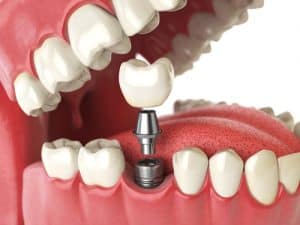


Completing your dental implant treatment is a major step toward a stronger, more confident smile, but the work does not stop the moment you leave the clinic. How you care for your implant in the days and weeks that follow has a direct impact on how well it heals and how long it lasts.

You may have chosen a dental implant for one of several reasons, including:

  • Replacing a missing tooth to preserve the surrounding bone and gums
  • Correcting an awkward or uneven bite
  • Improving the alignment and positioning of your teeth
  • Providing a stable, long-term alternative to removable dentures

Whatever your reason, the encouraging news is that dental implants do not require any complicated or separate maintenance routine. With good oral hygiene and a little extra care in the early healing period, your implant can last for many years, often a lifetime. The key is to treat it just as you would your natural teeth.

Dental-Implant-Procedure

Why Aftercare Matters So Much

A dental implant is a titanium post that fuses with your jawbone in a process called osseointegration. This fusion is what gives the implant its remarkable stability, but it takes time to fully establish. During the healing period, the area is more vulnerable, and good aftercare protects the implant while the bone bonds securely around it.

Neglecting aftercare, on the other hand, can allow bacteria to build up around the implant and lead to inflammation of the surrounding gum and bone, a condition known as peri-implantitis. Left unchecked, this can cause bone loss and, in serious cases, implant failure. The good habits you build now are what keep that from happening.

Four Essential Aftercare Tips

1. Keep Your Mouth and Teeth Clean

Cleanliness is the foundation of a successful implant. For long-lasting results, keep your mouth and the surrounding teeth as clean as possible. Use a soft-bristled toothbrush, and in the first few days after surgery, brush gently around the implant site rather than directly over it to avoid disturbing the healing tissue.

Stick to softer foods for the first week and try to chew on the opposite side of your mouth to keep pressure off the implant. As the area heals, you can gradually return to your normal brushing and flossing routine, taking care to clean thoroughly around the implant where bacteria can otherwise gather.

2. Rest and Manage Discomfort in the First Week

Giving your body time to rest in the first week supports faster healing. Any soreness is usually mild and short-lived, easing within a few days as the anaesthetic wears off, and it can be comfortably managed with over-the-counter pain relief as recommended by your dentist.

Rinsing gently with warm salted water can soothe the area and help keep it clean. If you experience swelling, applying an ice pack to the outside of your cheek for around 10 minutes at a time can bring it down. Most people find that normal life resumes very quickly after the first few days.

3. Limit Wearing Your Dentures

If you currently wear dentures, avoid wearing them over the implant site immediately after surgery. A denture sitting over the healing area places unwanted pressure on the implant and can interfere with healing. Your dentist will advise you on when it is safe to resume wearing them, and in some cases may recommend implant-supported dentures as a more stable long-term solution. Always follow the specific guidance your dentist provides for your situation.

4. Commit to Long-Term Care

Once the discomfort fades and the implant feels settled, it can be tempting to relax your routine, but consistent long-term care is what keeps your implant healthy for decades. Brush and floss twice a day, eat a balanced diet, limit alcohol, and keep up with regular professional cleans. Whether you have a single tooth implant or a larger restoration, the maintenance principles are the same: treat it like a natural tooth and it will reward you with years of reliable function.

Dental Implant in Sutherland Dental Clinic

Foods to Help You Heal

What you eat in the first week plays an important role in healing. Soft, nourishing foods such as yoghurt, smoothies, soup, mashed potato, and scrambled eggs are gentle on the implant site while still providing the nutrients your body needs to recover. Our guide on the best foods to eat after dental implant surgery offers plenty of practical meal ideas to make the first week easier. As you heal, you can gradually reintroduce firmer foods, while continuing to avoid anything especially hard or crunchy until your dentist confirms the implant has fully integrated.

The Role of Regular Dental Visits

Even the most diligent home care routine works best alongside regular professional support. Routine check-up and clean appointments allow your dentist or hygienist to monitor the health of your implant, remove any hardened plaque you cannot reach at home, and catch early signs of inflammation before they become a problem. According to Healthdirect Australia, regular dental visits are one of the most effective ways to protect your long-term oral health.

Lifestyle Habits That Protect Your Implant

Beyond brushing and dental visits, a few lifestyle choices have a significant influence on how well your implant lasts:

  • Avoid smoking and tobacco, which restrict blood flow to the gums, slow healing, and substantially increase the risk of implant failure
  • Keep alcohol consumption moderate, particularly during the healing period
  • Maintain a balanced, nutrient-rich diet to support gum and bone health
  • Avoid using your teeth as tools or chewing very hard objects that could damage the restoration

These habits not only protect your implant but benefit your overall oral health. If you would like to understand more about how long you can expect your implant to last, our article on the longevity of dental implants explains what influences their lifespan.

Final Thoughts

The more committed you are to your oral health, the better your results and the more confident you will feel every time you smile. Recovery times vary from person to person, so it is difficult to predict exactly how long full healing will take, but following your dentist’s aftercare advice gives you the very best chance of a strong, lasting implant. Treat your implant with the same care you give your natural teeth, and it will serve you well for many years to come.

Ready to Take the Next Step?

Whether you have just had an implant fitted or are considering treatment, the friendly team at Sutherland Dental is here to support you every step of the way. Book an appointment online and begin your journey toward a healthy, confident smile.